Recounting in a pet shop: feed, weight and accessories
In a pet shop feed is counted in sacks and kilograms and accessories by size: weigh opened sacks, record expiry dates and agree the units in advance.
On a single shelf in a pet shop you can find sacks of dry feed, tins of wet food, an aquarium filter, a cat scratching post and a dog collar. Some goods are sold by the piece, some by the kilogram and some by size. That is why a pet shop recount starts with the question "how many pieces?" and goes on to ask "in which unit?". Below we go through the features that set such a shop apart.
Feed: sealed sack, opened sack and the scales
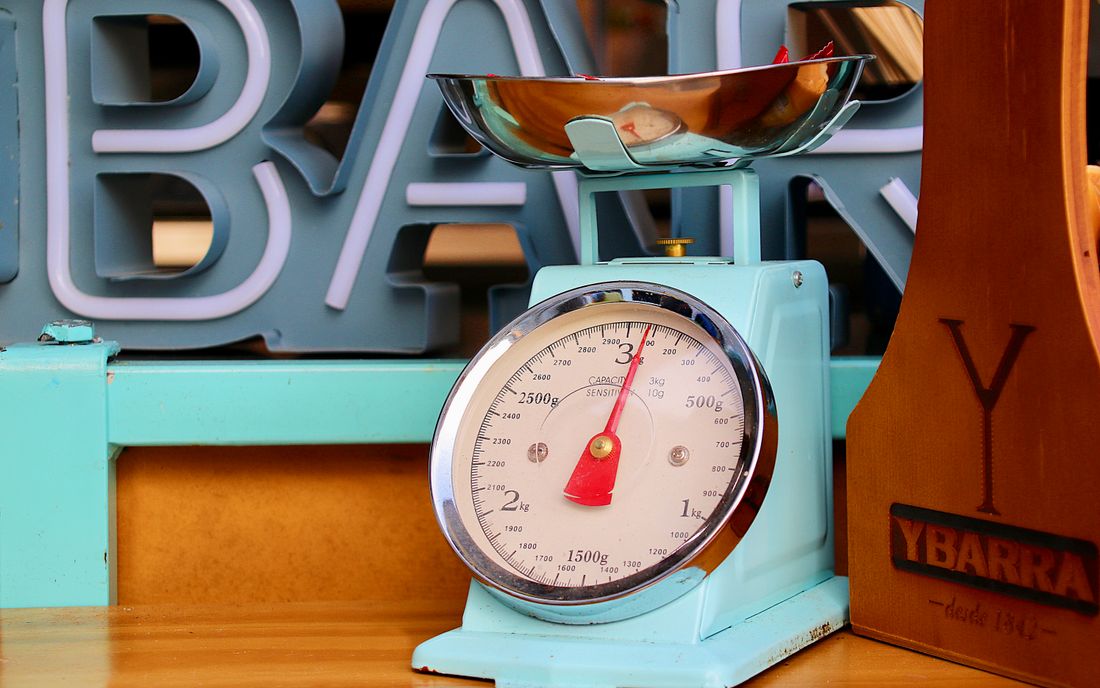
Dry feed usually arrives in sacks of 1, 3, 10 or 15 kg. Many shops sell it loose from the sack, while the books are kept either in sacks or in kilograms. Sealed sacks are easy to count: multiply the number of sacks by the pack size. An opened sack needs a row of its own. Weigh it, subtract the weight of the container or sack and write down the net weight.
Example: the books show 62 kg of one feed. On the shelf there are 4 sealed 15 kg sacks (60 kg) and one opened sack whose net weight is 1.8 kg. That makes 61.8 kg, a difference of 0.2 kg. A gap this small comes from weighing error and spilled granules, and it should not be written up as a shortage. Agree the acceptable difference before the count, for example up to one percent of the sack weight. On count day the scales should be zeroed and checked twice with the same load.
Tins, pouches and cartons
Wet food is sold in tins, pouches or trays and usually arrives in cartons of 12 or 24. The books may show cartons while the shelf holds single units. Prepare a conversion table in advance: "1 carton = 24 units". Do not count an opened carton as a carton; convert what is inside to units and write "opened carton, 17 units".
The same product can be both on the shelf and in a carton in the stockroom. Let the counter write both figures on one row, in separate columns: "shelf" and "stockroom". That shows the total and where each part sits, and it lowers the risk of counting twice.
Expiry dates and batches
Feed, tins, vitamins and veterinary products all have expiry dates. During the count read the date on the pack and put the nearest one on the sheet. Dry feed goes stale quickly once opened, so write the opening date on every opened sack. Put goods with under three months left on a separate list and move them to the front edge of the shelf, so that they are sold first.
Accessories: size, model, colour
Collars, harnesses, clothing, cages, aquarium filters and compressors come in many sizes and models. One collar in sizes S, M and L is three separate positions. Do not count by name: the entry "dog collar, red" hides three or four different variants. Scan the article number or the barcode. The packaging of electrical items is often opened and returned. Put such goods in a separate zone, check that they work, and split them into "for sale" and "return to supplier".
Fillers and bedding
Sand, sawdust and aquarium gravel come in bags. Count them by the number of bags and record torn ones separately. They have no expiry date, but a damp bag cannot be sold, so do not leave them in a humid spot.
Live animals and fish
If the shop sells fish, birds or rodents, keep a separate log for them. It records the arrival date, the number, the number sold and the number that died. A live animal is not counted like a shelf item: count the heads and compare the balance with the log. Write off the dead with a signed certificate, otherwise they will show up as a shortage. During the count there should be few people near the animals and no noise. If the head count does not match the log balance, look for the cause in the entries: a sale may be missing, a death unrecorded, or an arrival entered twice.
Conclusion
In a pet shop the units differ: sack, kilogram, piece and head. If you agree them in advance, weigh the opened sacks and record the dates, the result will be reliable. The Pereuchet team counts a pet shop by these rules, weighs opened sacks and hands over the outcome as a file for Excel or 1C.